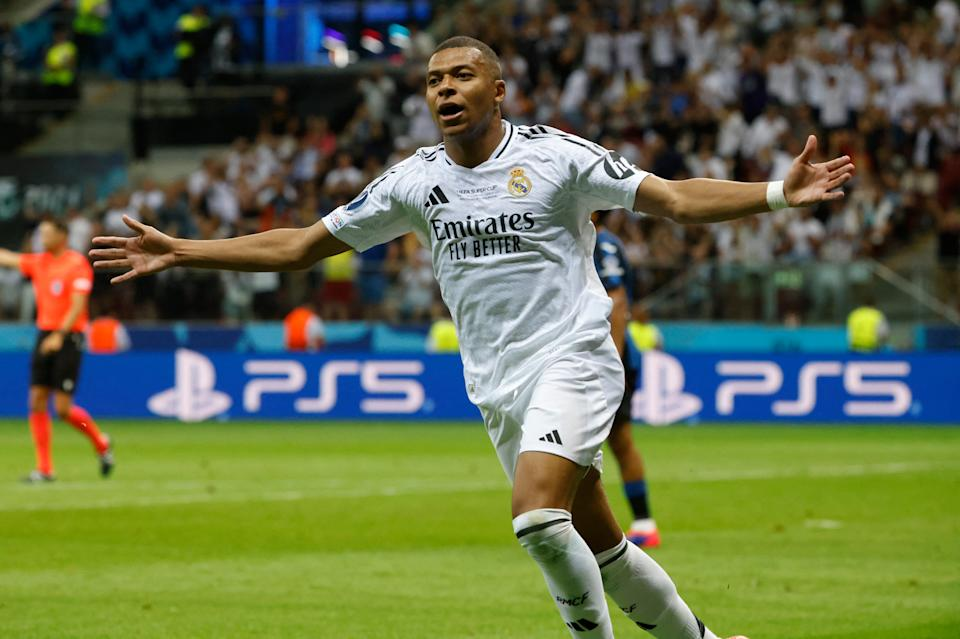
Mbappé’s Late Winner Sets The Scene
Real Madrid edged Getafe 1–0 away, sealed by a late Kylian Mbappé strike that kept Los Blancos on top in LaLiga and steadied momentum ahead of marquee fixtures. The match narrative matters because it frames the selection choices that followed—and the frustration that bubbled up on the touchline. Reports from reliable outlets confirm the result and timeline, with Arda Güler supplying the decisive contribution in the build-up as the game tilted late.
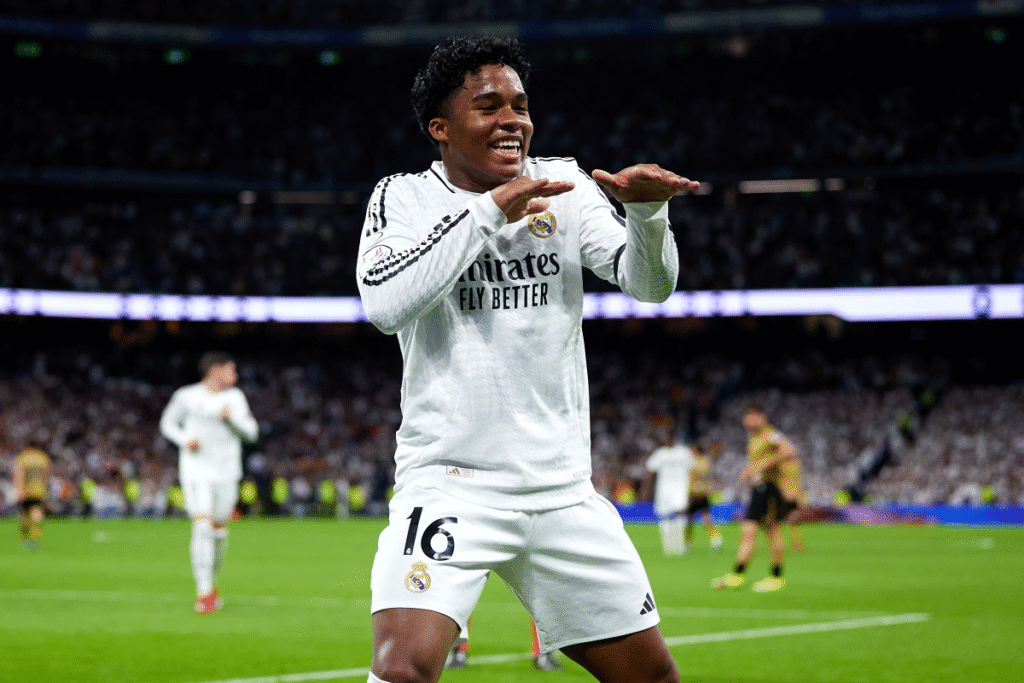
Rotation, Risk, And Realpolitik: Why Endrick Waited Again
With heavyweight dates looming, Xabi Alonso continued his policy of targeted rotation—balancing rhythm, rest and readiness. That meant high-profile attackers starting on the bench, then entering as impact subs, a pattern that maximizes control in tense away fixtures. Multiple match write-ups described a pragmatic approach, in which Madrid’s bench—Vinícius Jr. and Güler in particular—was used to change the game state rather than to distribute minutes.
Crucially, Alonso is Real Madrid’s head coach, appointed in late spring and already stamping his identity on game management and selection hierarchies. This contextual point matters when discussing pathways for a teenage striker competing with Mbappé and an in-form rotation cast.
The Flashpoint: Frustration On The Touchline
Multiple Spanish and European reports state that Endrick was told to stand down after warming up and returned to the bench visibly upset. Several outlets go further, reporting that he kicked a water bottle in frustration and that Alonso noticed—and disapproved. The core through-line is consistent across reports even as phrasing varies by outlet; the key facts are that Endrick expected minutes, they didn’t arrive, and his reaction was seen by the staff.
To be clear, the attribution matters: the water-bottle detail is reported (Cadena SER via Spanish press), not an official club statement—so it sits in the realm of credible reporting rather than confirmed disciplinary notice. Nonetheless, it captures the sentiment of a driven teenager who believed he was next up until late substitutions favored Gonzalo García and Brahim Díaz.
Five Months Of Thin Slices: The Playing-Time Picture
Context from season-to-date coverage paints a stark picture: Endrick has not featured in an official match since his recovery, making this the sixth straight game without minutes according to reporters on the Madrid beat. That time horizon—“over five months” without an official appearance—tracks with recent analyses of his slow ramp and competitive depth chart. The uncomfortable truth is that talent isn’t the issue—opportunity is. X (formerly Twitter)+1
Selection Logic: Why The Door Didn’t Open At Getafe
Seen from the staff’s perspective, the decision was tactical and situational. With Getafe ceding territory late and spaces opening after dismissals, the staff prioritized ball security, carry resistance, and late-game press traps—attributes that suited Brahim between the lines and the physically mature profiles on the bench. Meanwhile, Mbappé stayed on as the vertical reference to threaten in behind—and eventually delivered the winner. The post-match consensus in analysis pieces was that Madrid’s late changes fit the control brief for an attritional away game.
Alonso’s Macro Plan For The No. 9 Role
Alonso’s Real Madrid has embraced situational forward roles:
- Primary spearhead: Mbappé, whose finishing and gravity in transition remain Madrid’s most bankable edge.
- Rotational depth: Gonzalo García has carved out a growing niche with penalty-box instincts and pressing energy.
- Connector-creators: Brahim and Rodrygo toggle between touchline and half-spaces, linking midfield to the last line.
Within that framework, Endrick—a 19-year-old still calibrating to LaLiga tempo—must present a distinct value proposition in cameo windows: attacking second balls, pressing angles, and box timing that moves defenses, not just individual brilliance.
The take-home: minutes will be earned in the margins unless injuries or a sustained rotation policy create a runway.
Loan Talk In January: Signal Or Noise?
Inevitably, the loan conversation has surfaced. Recent reporting suggests a January move could be considered if the playing-time calculus does not change in the next block of fixtures, with Bundesliga and Serie A interest floated in the rumor mill earlier this autumn. Editorials and news notes have linked RB Leipzig among others, underlining the logic: high-tempo leagues that accelerate development for young strikers. These are reports, not commitments, but the pattern is familiar for elite prospects boxed behind world-class starters.
What A Productive Pathway Looks Like—Immediately
We see three practical levers that can unlock value before January:
- Define the cameo blueprint. If Endrick’s job description in 12–18-minute cameos is crystal clear—chase the back shoulder, trigger the press after backward passes, attack near-post cutbacks—he can deliver repeatable impact that earns trust.
- Pairings that accelerate decision-speed. Minutes alongside Güler or Bellingham in the half-space + striker pairing can simplify reads and maximize the one-touch wall passes that mirror his Palmeiras patterns.
- Set-piece integration. A dedicated two-play set-piece role (first contact decoy, second-phase pounce) provides high-leverage touches without disrupting the senior pecking order.
For The Dressing Room: Frustration Without Fallout
Elite dressing rooms survive on two truths: ambition and alignment. Frustration after six straight DNPs is human; what matters is channeling it. From a leadership standpoint, Alonso’s reaction—as reported—signals internal standards: emotion is natural; visible dissent is not. A clean response now is simple and powerful: hard training reps, micro-goals tied to cameo KPIs, and quiet conversations that align expectations before the next selection cycle.
For Madrid’s Attack: Why Patience Can Still Pay Off
Endrick’s ceiling remains enormous. The scouting book hasn’t changed: early separation over five yards, two-footed finishing variety, and a compressed back-lift that survives big-league physicality. Inside Madrid’s orchestration, his best near-term use cases are:
- Counter-finisher when opponents over-commit late.
- Box raider in crowded game states where second-phase shots decide margins.
- Press harasser that forces hurried clearances into Camavinga/Tchouaméni recovery zones.
If those roles convert to measurable outputs (xG from open play, high-press regains leading to shots, second-balls converted), the staff gets ROI without uprooting the Mbappé-centric spine.
What Comes Next: Juventus, Barcelona, And The Selection Puzzle
The calendar is ruthless: Champions League vs. Juventus midweek and El Clásico vs. Barcelona next. These fixtures typically concentrate minutes among trusted cores; rotation tends to return after the storm. That’s the window where Endrick, if the internal response is positive, can re-enter the cycle—home fixture, controlled game state, clear role, and staff buy-in. Match reporting already pointed to Alonso’s emphasis on collective structure over sentiment, and that trend should persist through the gauntlet.
Bottom Line
This wasn’t a story about a tantrum; it was a story about timing. The Mbappé winner preserved points, the bench choices reflected context, and the Endrick flashpoint laid bare the tension of integrating a prodigy when every minute is precious. If the next training block converts frustration into clear role execution, Madrid gets another weapon—and Endrick takes the first real step from prospect to producer.